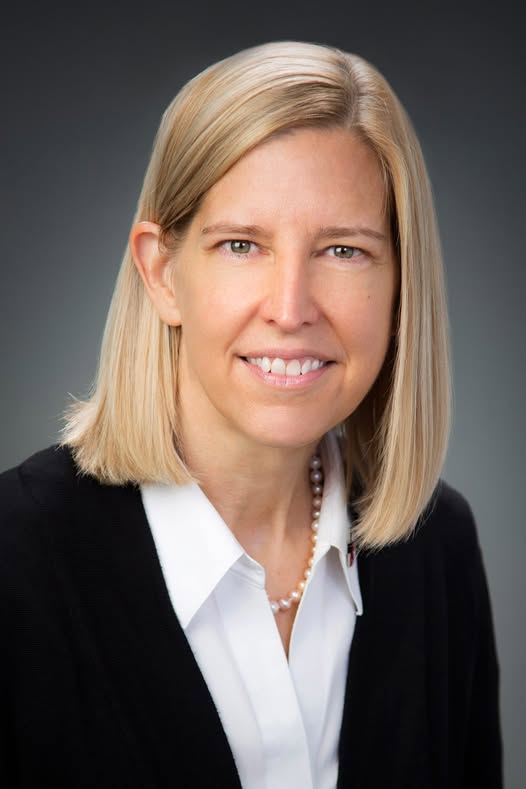
. Gillison is being remembered for a distinguished career in medicine and cancer research, where she pursued questions that challenged conventional thinking and helped change how doctors and researchers understand certain cancers.
Throughout her professional career, Gillison became associated with important research into the relationship between human papillomavirus (HPV) and cancer, particularly cancers of the head and neck. Her work contributed to a greater understanding of how infections and other biological factors can influence cancer development and patient outcomes.
For colleagues and members of the medical and scientific communities, her reported passing represents the loss of an accomplished researcher whose work helped shape an important area of modern oncology.
Gillison’s approach to research was characterized by a willingness to investigate difficult questions and reconsider established assumptions. Scientific progress often depends on researchers being prepared to challenge prevailing ideas, examine evidence carefully, and pursue findings that can change clinical understanding.
Her work on HPV-associated cancers was particularly significant because it helped establish a clearer connection between HPV infection and a subset of head and neck cancers. This research contributed to broader discussions about cancer prevention, diagnosis, treatment, and the biological differences between HPV-related and non-HPV-related disease.
Beyond individual research findings, Gillison’s career also demonstrated the importance of collaboration between scientists, physicians, and other healthcare professionals. Medical research frequently requires teams from different disciplines to work together, combining laboratory discoveries with clinical experience.
The impact of a researcher can extend well beyond published studies. Scientific findings can influence future research, medical education, clinical practice, and the way physicians approach patients. Gillison’s contributions therefore form part of a wider body of knowledge that may continue to influence cancer research for years to come.
For colleagues who worked with her, her legacy may also be remembered through mentorship and professional relationships. Experienced researchers often influence younger scientists by encouraging careful investigation, critical thinking, and persistence when confronting complex medical questions.
The information provided does not establish the circumstances or cause of Maura L. Gillison’s reported passing. Her age, date of death, and additional personal details have not been confirmed here. Such information should not be assumed without reliable sources.
Her professional legacy, however, is reflected in the questions she pursued and the research she helped advance. Cancer research is an evolving field, and discoveries concerning the causes and characteristics of different cancers can have significant implications for patients and healthcare systems.
Gillison’s work also helped demonstrate why understanding the underlying causes of cancer matters. Identifying risk factors and biological mechanisms can open possibilities for prevention and allow physicians to develop more targeted approaches to treatment.
The medical and research communities may now reflect on her contributions while colleagues, friends, and loved ones mourn her passing. Tributes from those who knew her professionally may offer additional insight into her character, leadership, and influence.
Funeral or memorial arrangements have not been provided in the information currently available. Any details regarding services should be confirmed through her family or official institutional announcements.
For now, Professor Maura L. Gillison is being remembered for a career defined by intellectual curiosity, scientific rigor, and research that challenged conventional thinking about cancer.
Her work serves as part of the continuing effort to better understand cancer and improve outcomes for patients around the world.
May Professor Maura L. Gillison rest in peace, and may her family, friends, colleagues, students, and the wider medical and scientific community find comfort in the lasting contributions she made throughout her career.