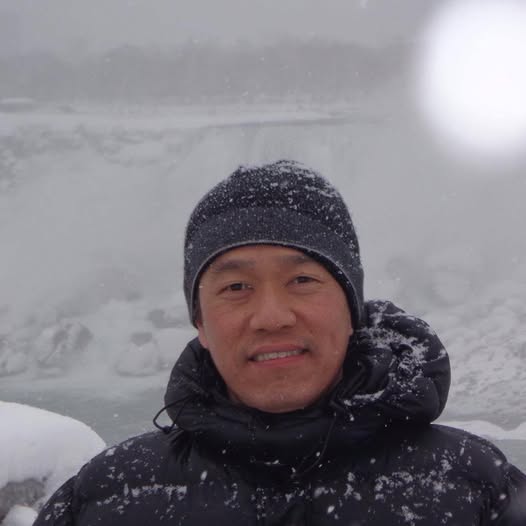
The loss of Andrew Hong has left a deep sense of sadness within the policing community, with colleagues and fellow officers coming together to remember a member of the law-enforcement family whose presence touched those around him.
News of Andrew’s reported passing has brought grief to people who worked alongside him and to others who knew him through his professional and personal relationships. For fellow officers, losing a colleague can be particularly difficult because the bonds formed within policing often develop through shared responsibilities, demanding situations, and a commitment to serving others.
Andrew is being remembered as someone whose connection to the policing community extended beyond his professional role. Colleagues may now be reflecting on conversations, assignments, workplace experiences, and the everyday moments they shared with him.
For his family, however, Andrew was much more than a member of the law-enforcement community. He was a loved one whose presence was woven into the lives of relatives and close friends. His reported passing leaves an absence that cannot easily be replaced.
The information currently available does not provide sufficient details about Andrew’s age, rank, department, location, or the circumstances and cause of his reported death. Those details should not be assumed or presented as fact without confirmation from his family, police officials, or other reliable sources.
When a member of a policing organization dies, colleagues often come together to support one another and honor the person’s service and memory. Tributes can provide an opportunity to recognize professional contributions while also acknowledging the personal relationships that existed behind the uniform.
Andrew’s colleagues may remember his dedication, professionalism, teamwork, and interactions with the people he worked alongside. However, his personal legacy will ultimately be defined by the memories held by those who knew him best.
Family members and friends may now be sharing stories and photographs that capture different aspects of his life. These memories can help preserve the connection they had with Andrew while providing comfort during a painful period of grief.
The wider policing community may also offer condolences to Andrew’s family. Law-enforcement organizations frequently operate as close-knit communities, and the loss of one member can be felt by officers and staff far beyond the immediate workplace.
It is important to avoid speculation about Andrew’s death. If authorities are investigating the circumstances, official findings should be allowed to establish what happened. Unconfirmed claims concerning his health, personal life, or professional circumstances can cause additional distress for grieving relatives.
Funeral or memorial arrangements for Andrew Hong have not been provided in the information currently available. If his family or department announces details, those wishing to pay their respects should follow the official arrangements and respect the family’s wishes.
Further information about Andrew’s career, service, family, and the circumstances surrounding his passing may become available through official statements and tributes.
For now, colleagues and fellow officers are coming together to remember Andrew and to support one another through the loss of someone who formed part of their professional community.
His memory may continue through the people he worked with, the lives he touched, and the relationships he built throughout his life.
May Andrew Hong rest in peace, and may his family, friends, colleagues, and fellow officers find strength and comfort as they honor his memory.